


Designing a Home That Grows With You: An Alexandria Architect's Perspective
What ten years of residential architecture have taught us about creating beautiful, thoughtful homes that support people and the natural world.
There is something about autumn that invites reflection.
The light turns golden. The days grow shorter. We become more aware of our surroundings, the places where we gather, and the spaces that bring us comfort.
Recently, sitting beside a campfire at my son's annual school camping trip, I found myself reflecting on the past ten years of Cedar Architecture and the people and places that have shaped our work.
I started this practice with a simple intention: to do more good. In people's lives, in the environment, and in the world around us.
A decade later, that intention has become even more deeply rooted in the way we approach architecture.
And one belief, in particular, has become central to our work:
Your home should rise to meet you.
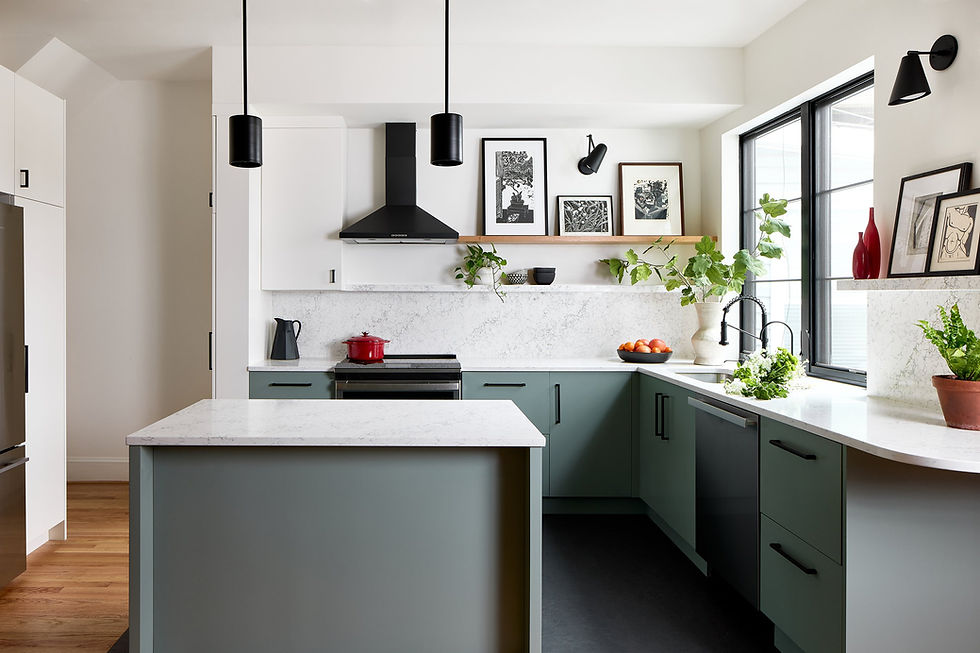
A Home Should Support the Life You Want to Live
When people begin thinking about building or renovating a home, they often start with what they want to change.
More space. Better flow. A larger kitchen. More natural light. A stronger connection to the outdoors.
These are worthwhile considerations. And in a place like Alexandria, Virginia, where established neighborhoods, compact lots, and the character of existing homes can place limits on expansion, every square foot deserves thoughtful consideration.
But whether we're working with a compact home or a generous footprint, the most important design questions go beyond square footage.
How do you want to feel when you arrive home?
Where does your family naturally gather?
What brings you peace?
How might your needs change over the coming years?
And what could your home make possible that your current surroundings do not?
Architecture gives us an extraordinary opportunity to explore these questions and translate the answers into something tangible.
A home can encourage connection. It can provide quiet when we need to retreat. It can make everyday routines more enjoyable, welcome the changing seasons, and create a sense of belonging.
The most meaningful homes are designed around the lives unfolding within them.
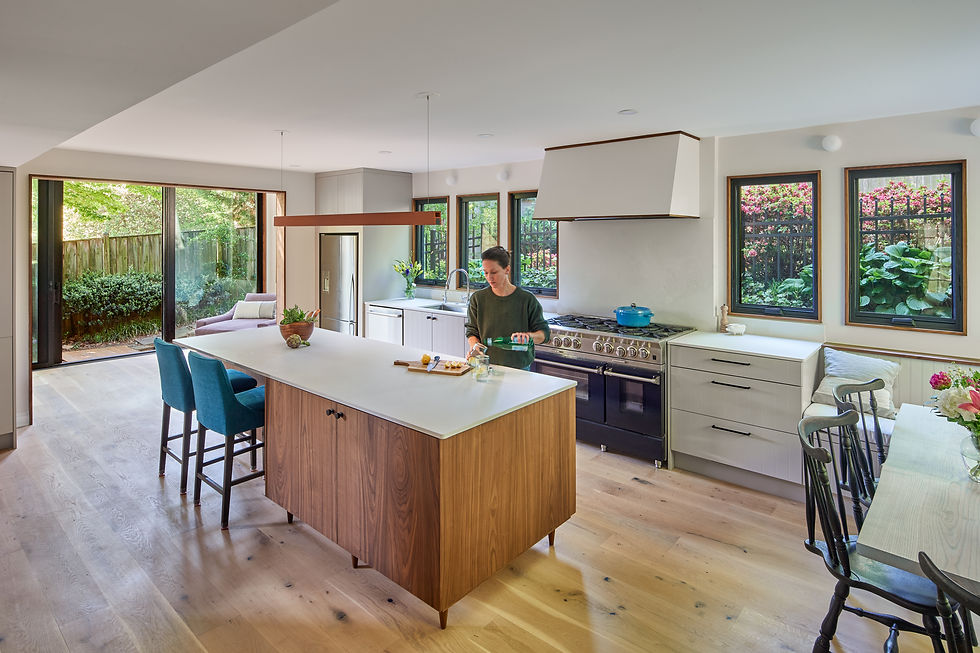
Designing With Nature, Not Against It
At Cedar Architecture, our work begins with the understanding that a home is part of something larger.
Every site has a story.
In an established Alexandria neighborhood, that story might be told through mature trees, neighboring homes, the history of a building, and the small pockets of outdoor space that connect us to nature.
On a rural property in Northern Virginia, it might unfold across open fields, wooded edges, and long views of the surrounding landscape.
Each setting offers something different. Our responsibility is to recognize what makes a place special and allow those qualities to inform the design.
The movement of sunlight, the direction of prevailing winds, the contours of the land, the surrounding trees, and the patterns of water all offer clues about how a building might belong.
When we pay attention to these relationships, we discover opportunities to create homes that are more comfortable, more beautiful, and more responsive to their environments.
Natural materials bring warmth, texture, and character. Thoughtful window placement creates connections between indoor and outdoor spaces. Careful attention to energy, air quality, and thermal comfort supports well-being throughout the year.
These decisions are about more than environmental performance.
They're about how a home feels.
Our commitment to regenerative architecture asks us to consider how the built environment can contribute positively to the health of people and the planet.
We believe that beauty, well-being, quality, and harmony with nature are deeply connected. Each becomes more meaningful when considered alongside the others.
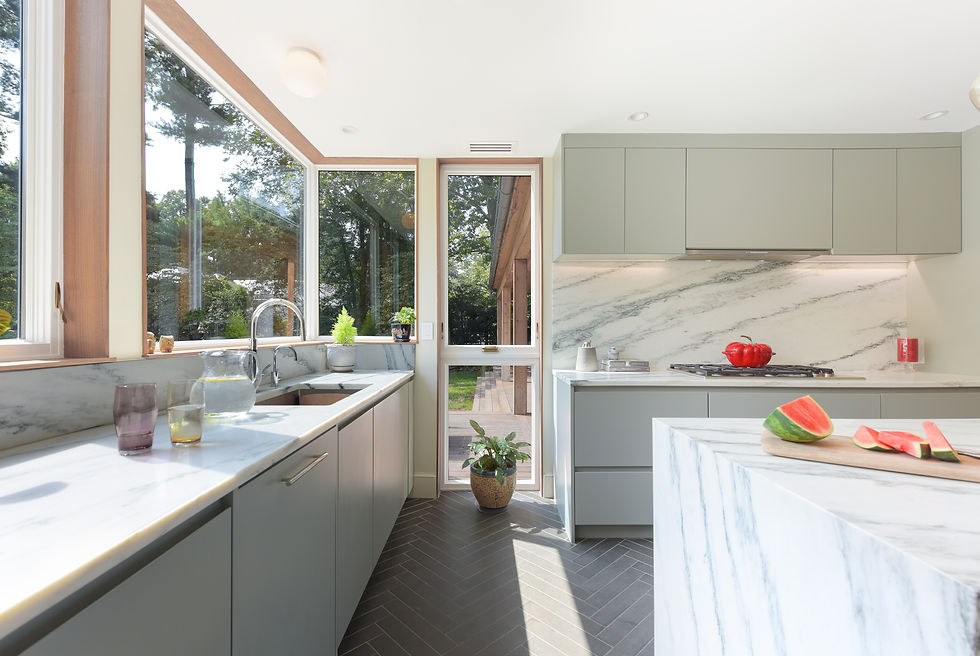
Beauty Without Compromise: The Del Ray Passive House
One of the clearest expressions of this philosophy is our Del Ray Passive House in Alexandria, Virginia.
Designed for a growing family of six, this 8,500-square-foot home began with two aspirations: to create a forever home and to do so with extraordinary environmental responsibility.
The generous footprint presented its own design responsibility: to ensure that every space had a purpose, that the home felt welcoming and connected, and that its environmental performance reflected the family's commitment to living thoughtfully.
The result is a net-positive energy home with Phius design certification, integrating high-performance building systems with natural materials, abundant daylight, and spaces that support both gathering and retreat.
The home's architecture balances privacy with connection to nature. Its material palette and thoughtful details create warmth and character, while its high-performance systems help maintain comfort and efficiency.
And at its heart is an exuberant, colorful staircase that brings a sense of playfulness to everyday life.
This project was recognized with the 2025 Gold Award for Residential Design for Excellence in Design from AIA Potomac Valley and a Jurors' Citation from AIA Northern Virginia.
For us, its greatest achievement is the relationship between performance and experience.
A home can be environmentally responsible and wonderfully expressive. It can perform beautifully and feel beautiful.
The two belong together.

What Ten Years Have Taught Me About Residential Architecture
Over the past decade, I've had the privilege of collaborating with homeowners, builders, craftspeople, consultants, and designers who care deeply about the places we create.
These relationships have reinforced something I believed when I founded Cedar: good architecture depends on listening.
Listening to the people who will inhabit a home.
Listening to the land.
Listening to the expertise of the people who bring a design to life.
And remaining curious about what might be possible when we approach familiar challenges differently.
I've also come to appreciate that a home is never truly static. Families grow and change. Our routines evolve. Our understanding of comfort, health, and beauty deepens.
A thoughtfully designed home should have the capacity to support these changes while continuing to offer delight and a sense of belonging.
That's what I mean when I say your home should rise to meet you.
It should nurture you, support you, and evolve alongside you through the many seasons of your life.
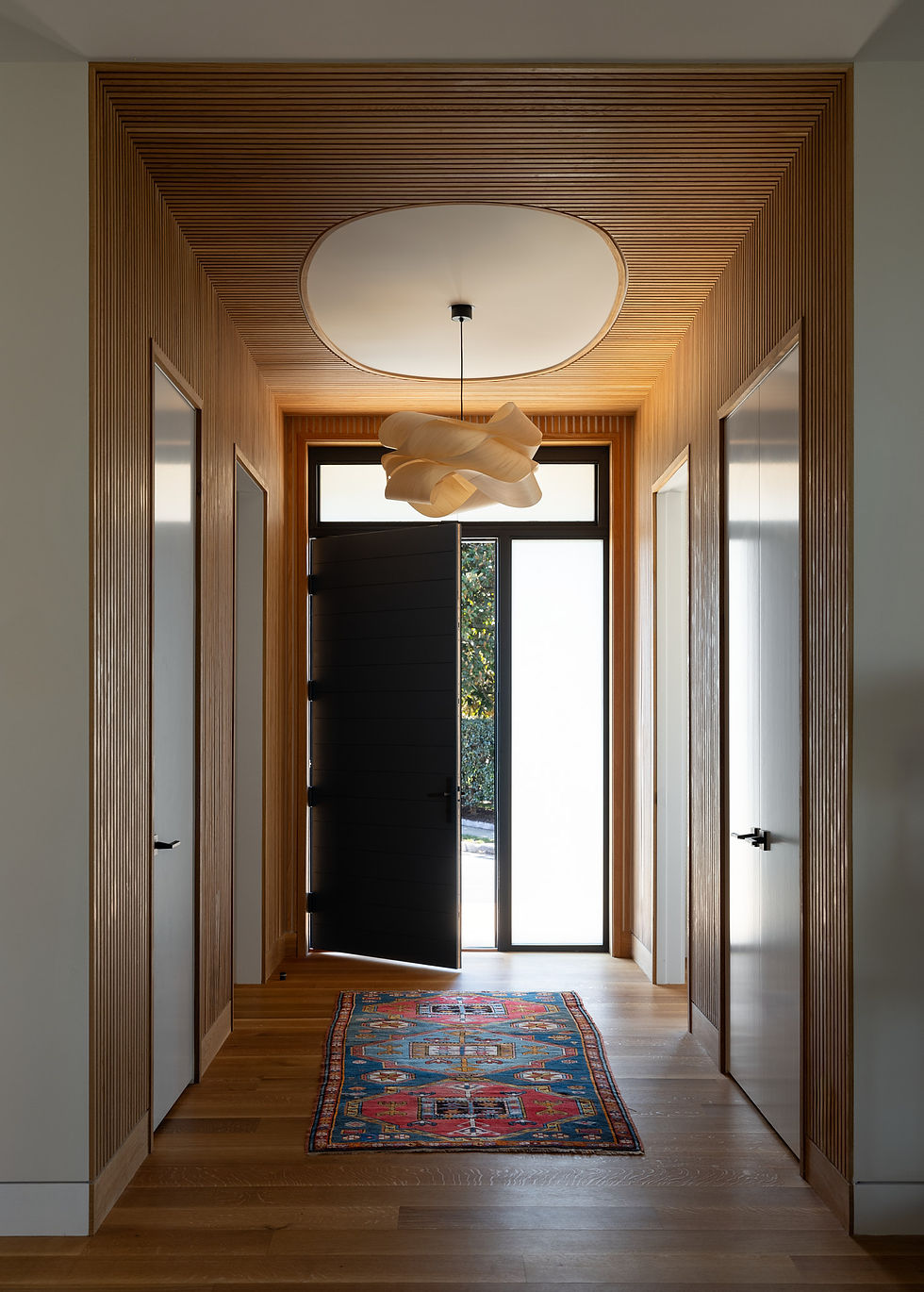
A Beautiful Time to Begin
As Cedar enters its next decade, we're deepening our relationship with the land and with people who choose to inhabit it consciously.
I'm especially drawn to the horse country of Northern Virginia, where open fields, rolling hills, and the quiet rhythm of the landscape offer extraordinary opportunities for thoughtful residential design.
There's a peaceful energy to these places that inspires me.
And while every project has its own timeline, autumn and winter can be wonderful seasons to begin the design process.
The quieter months offer an opportunity to reflect on how we want to live, study a property's unique characteristics, explore possibilities, and make thoughtful decisions before construction begins.
Whether you're imagining a new custom home in Northern Virginia or considering a meaningful renovation in Alexandria, the most important place to begin is with a conversation about what matters to you.
What would you love to bring to life?
At Cedar Architecture, we'd be honored to help you explore the possibilities.
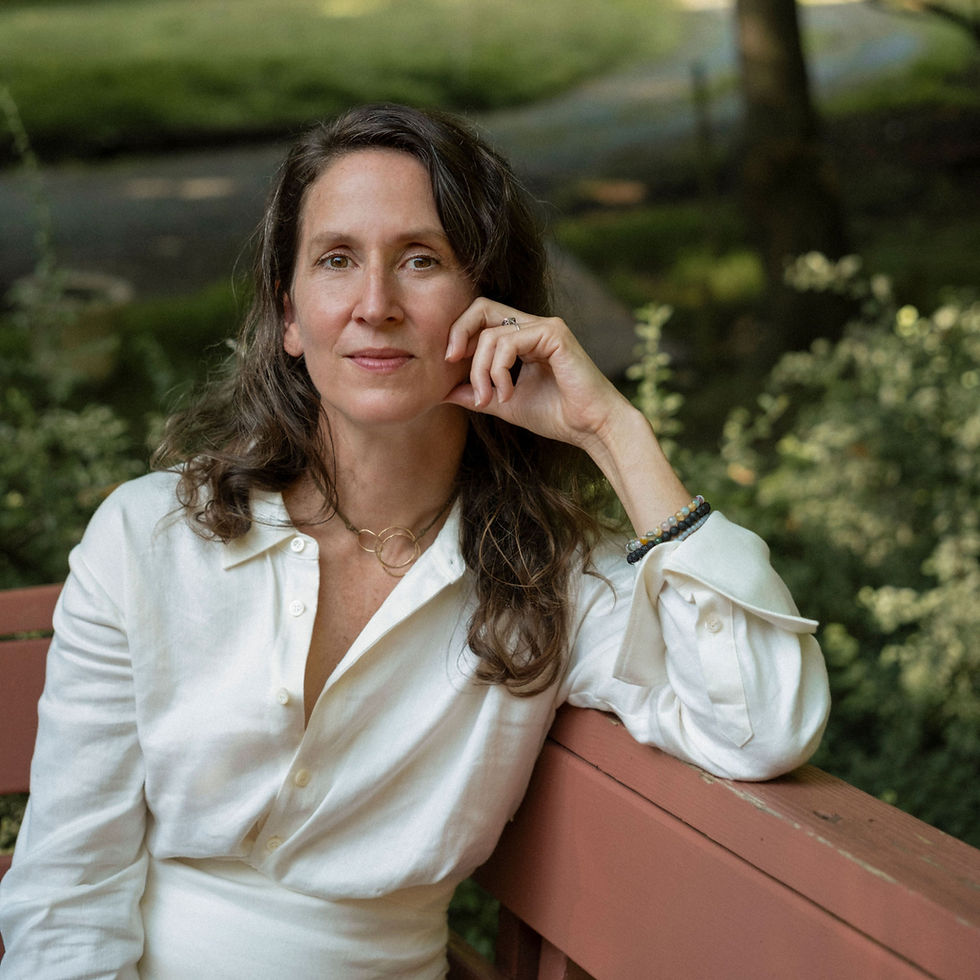
Deborah Buelow, AIA | Founder, Cedar Architecture
Deborah Buelow is the founder of Cedar Architecture, an Alexandria, Virginia-based architecture firm dedicated to creating beautiful, thoughtful spaces that support human well-being and honor the natural world.
With a passion for sustainable and regenerative design, Deborah brings together architectural beauty, environmental responsibility, and a deep appreciation for the relationship between people and place.
She founded Cedar Architecture with a simple intention: to do more good. Today, that commitment continues to guide her work designing homes that nurture the people who inhabit them and belong to the landscapes around them.


Comments